
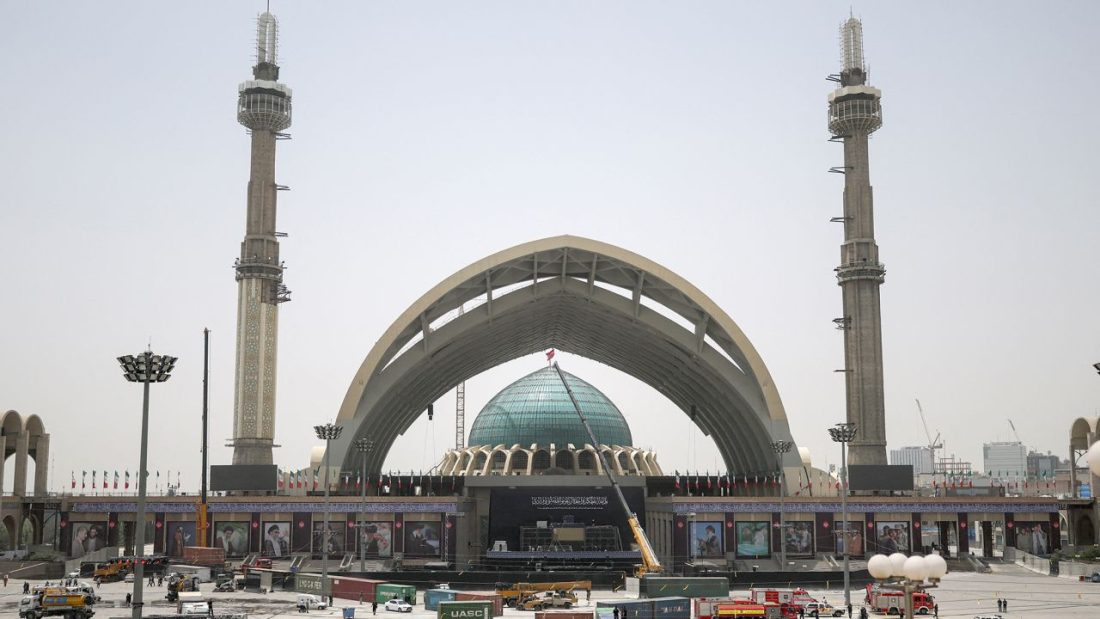


In a pivotal moment for global stability, direct diplomatic talks between Iran and the United States began today in Muscat, Oman, seeking to address a rapidly escalating crisis that has gripped the Middle East. The rare, high-level engagement comes after weeks of intense military posturing, renewed sanctions, and heightened rhetoric that pushed the region closer to open conflict.
Urgent Diplomacy Underway
The negotiations, facilitated by Oman, represent a cautious step toward dialogue after previous indirect communications failed to bridge significant divides. Sources close to the discussions indicate that both sides arrived with firm mandates, reflecting deep-seated distrust but also an urgent need to prevent further escalation. The focus is squarely on Iran’s nuclear program, its regional activities, and the reciprocal lifting of US economic sanctions.
Observers note the palpable tension surrounding these talks. Just overnight, reports emerged of significant naval exercises conducted by the Iranian Revolutionary Guard Corps (IRGC) in the critical Strait of Hormuz, an act that drew immediate condemnation from Washington and renewed calls for international maritime security. These maneuvers underscore the precarious backdrop against which the current diplomatic efforts are unfolding.
Timeline of Rising Tensions
The current crisis has been building for months, characterized by a series of escalating actions and reactions:
Key Points of Contention
The gap between the two nations remains substantial. Iranian officials, including Foreign Minister Reza Hamidi, have repeatedly stated that any lasting agreement must include verifiable security guarantees and the comprehensive lifting of all sanctions. “Our nation’s security and economic prosperity are non-negotiable,” Hamidi was quoted as saying last week. “We seek genuine commitments, not empty promises.”
Conversely, the US delegation, led by Special Envoy for Iran Affairs, Ambassador Sarah Jenkins, has emphasized the necessity of Iran rolling back its nuclear advancements and ceasing support for proxy groups in the region. A State Department official, speaking anonymously, reiterated Washington’s stance: “The path to de-escalation and normalized relations requires concrete, verifiable steps towards nuclear transparency and regional stability from Tehran. We are prepared to engage, but our security interests are paramount.”
Comparative Positions on Key Issues
| Issue | Iranian Position | US Position |
| :——————– | :——————————————————– | :————————————————————— |
|---|---|---|
| Nuclear Program | Right to peaceful enrichment; demand sanctions relief. | Full adherence to JCPOA limits; comprehensive inspections. |
| Economic Sanctions | Immediate, complete lifting of all punitive measures. | Phased removal contingent on verifiable compliance and actions. |
| Regional Influence | Sovereign right to support allies; counter hostile actors. | End support for proxy militias; halt destabilizing activities. |
| Security Guarantees| Demand assurances against external military intervention. | Assurances of maritime freedom; regional non-proliferation. |
International Reaction and Future Outlook
The global community is watching these talks intently. United Nations Secretary-General António Guterres appealed for both parties to “seize this critical opportunity for peace,” emphasizing the catastrophic potential of a wider conflict for the entire Middle East and beyond. Many international observers see these negotiations as the last viable diplomatic off-ramp to a full-blown confrontation, the implications of which would reverberate across global events ↗ and commodity markets.
Analysts are cautiously optimistic, pointing to the mere fact of direct talks as a positive sign. “The willingness to sit at the table, even under duress, indicates a recognition of mutual vulnerability,” said Dr. Elara Vance, a Middle East policy expert. However, the deep mistrust built over decades, coupled with high stakes on both sides, means that any breakthrough will require significant concessions. The American diplomatic efforts are carefully watched across the world ↗.
As discussions continue behind closed doors, the world holds its breath, hoping that diplomacy can prevail over the brinkmanship that has defined this dangerous chapter in Iran-US relations.

