

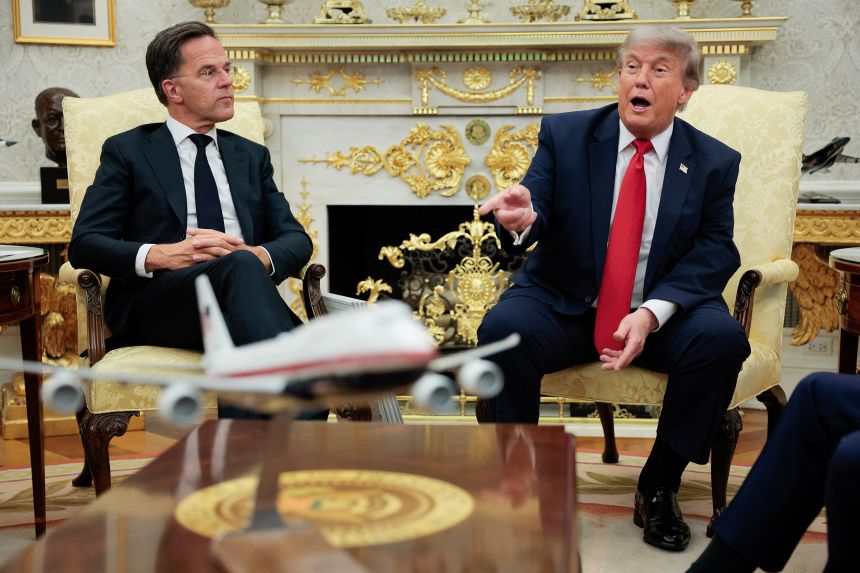

The 77-year-old North Atlantic Treaty Organization finds itself at a critical juncture as President Donald Trump arrives in Ankara, Turkey, for a hotly anticipated summit. His presence comes amidst a palpable strain on the alliance, fueled by his long-standing skepticism and increasingly direct threats concerning the United States’ commitment to European defense.
The Specter of Troop Reductions
At the heart of the current unease is the president’s consideration of a drastic reduction in American forces stationed in Europe. Sources familiar with internal discussions reveal Trump has floated the idea of cutting US troop presence on the continent by as much as a third, questioning whether such a move would send the “right message” to what he describes as non-reciprocal allies. This notion gained tangible momentum when the Pentagon abruptly canceled two US military deployments to Europe and initiated the removal of other personnel.
Defense Secretary Pete Hegseth was reportedly poised to announce even steeper cuts at a June NATO meeting, potentially aligning with the one-third reduction Trump envisioned. However, after consultations with other senior administration officials, the plan shifted. Instead, Hegseth unveiled a more measured six-month review of US forces in Europe, warning at the time that “some countries will fail and others will pass with flying colors.” This ominous assessment underscores the administration’s intent to scrutinize contributions and commitment from member states.
Mounting Frustration and ‘Non-Reciprocal’ Alliances
Trump’s frustration with NATO has deepened significantly over the past year. He consistently questions the alliance’s value for the United States, arguing that America disproportionately underwrites Europe’s security. His grievances intensified after the US launched a war in Iran, with the president publicly complaining that America’s oldest allies “were not there for us!!!” when he needed them. This sentiment was echoed on social media just days before the Ankara summit, reiterating the demand for a reciprocal relationship.
“It’s ridiculous for the U.S.A. to continue along this one sided path when the relationship is not reciprocal,” Trump wrote, laying bare the core of his discontent. This rhetoric has created a fraught atmosphere, with many officials privately expressing uncertainty about the summit’s outcome given the president’s sour mood.
European Response and Geopolitical Undercurrents
European leaders, for their part, have bristled at Trump’s criticism, particularly his claims regarding the Iran conflict. They point out that they were not consulted before the war began, challenging the premise of his accusation. Despite this, they are attempting to navigate the precarious diplomatic landscape in Ankara, hoping to avoid a major diplomatic fallout. Ahead of the summit, they have been planning new defense pledges in an effort to allay Trump’s anger.
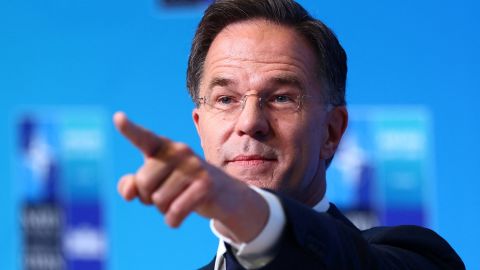
NATO Secretary General Mark Rutte, who met with President Trump in the Oval Office last month, has actively sought to smooth over discord, understanding the gravity of the situation. This week’s summit in Turkey’s capital, hosted by President Recep Tayyip Erdoğan—a leader Trump considers a friend—adds another layer of complexity. Trump, by his own admission, is attending begrudgingly, though sources indicate a private understanding that not attending would be disrespectful to Erdoğan.
Beyond the immediate financial and troop contributions, broader geopolitical anxieties underscore the alliance’s challenges. Trump’s past threats, such as seizing Greenland from a fellow NATO member, and his perceived deference to Russian President Vladimir Putin, have rattled some European officials. There are concerns that Putin could be planning operations in NATO territory as a test of the alliance’s resolve, making solidarity and a clear message from Ankara even more crucial.
Strait of Hormuz and Future Capabilities
One significant point of discussion in Ankara will be the Strait of Hormuz. Many European nations have pledged military help to reopen the critical waterway, though tensions have slowed a full restoration of commercial traffic. However, senior American officials have voiced skepticism regarding whether European nations possess the military capabilities to contribute meaningfully to such efforts, highlighting a persistent concern about defense spending and readiness across the alliance. For more on the broader context of US politics ↗, especially in an election year, the interplay of domestic and international policy remains crucial.
Despite the current tensions, there have been instances where Trump’s disputes with European leaders did not derail broader diplomatic efforts, such as the Group of Seven summit in France last month. Buoyed by positive progress in Iran talks at that time, Trump reportedly got on well even with counterparts he had previously castigated. This history offers a glimmer of hope that the Ankara summit, despite the high stakes and the president’s public frustrations, might yet conclude without a catastrophic rupture.
As Trump’s ambassador to NATO, Matthew Whitaker, noted, “This Ankara summit is really the time for our allies to step up, and I know that that’s what President Trump is expecting.” The coming days will reveal whether European nations can meet these expectations and whether the 77-year-old alliance can weather this intense period of scrutiny and strain. For ongoing coverage of President Donald Trump ↗ and his policy decisions, staying informed on his political trajectory is key.








Leave a comment