

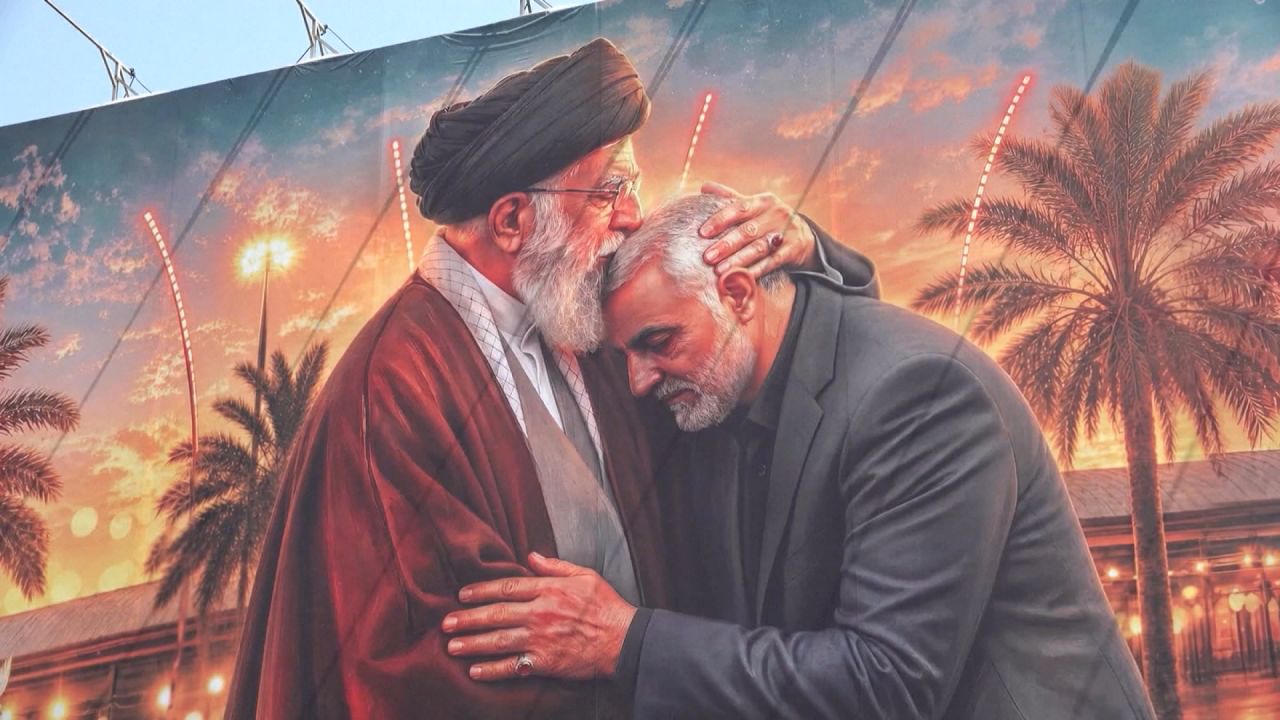

July 2, 2026, unfolded as a day of heightened geopolitical tension, marked by fresh military engagements between the United States and Iran, alongside the tentative emergence of diplomatic overtures. The dynamic situation captured the world’s attention, with various international actors closely monitoring developments as reports of attacks and calls for dialogue intersected throughout the day.
The morning began with reports of targeted drone strikes attributed to US forces against several military sites in western Iran. While Iranian state media initially claimed interceptions, later updates acknowledged limited infrastructure damage, though no casualties were reported. These actions were swiftly condemned by the Iranian Revolutionary Guard Corps (IRGC), which issued a stern warning of “decisive retaliation” against any further aggression on its sovereign territory. The rhetoric underscored the volatile nature of the ongoing conflict, pushing regional stability to the forefront of global concerns.
In Washington, a White House spokesperson, speaking on background, confirmed that defensive measures had been undertaken, citing a need to address “escalating threats” emanating from Iran. The spokesperson declined to elaborate on the specifics of the targets or the nature of the threats, maintaining a tight-lipped stance typical of sensitive military operations. This ambiguity only fueled speculation about the true extent of the hostilities and the strategic objectives of both sides.
International Alarm and Calls for De-escalation
The international community reacted with immediate alarm. The United Nations Secretary-General issued an urgent appeal for an immediate cessation of hostilities and a return to diplomacy, emphasizing the potential for a wider regional conflagration. European capitals echoed these sentiments, with leaders expressing “grave concern” over the renewed escalation. Many nations are wary of the conflict’s potential ripple effects, particularly on global energy markets and the precarious humanitarian situation in the broader Middle East. The escalating crisis is a focal point for global powers like Russia and China ↗, who have long-standing interests and relationships in the region.
As the day progressed, unconfirmed reports from various regional intelligence sources suggested a potential Iranian counter-strike. While details remained murky, the speculation centered on possible retaliatory actions against US military assets or allied interests within the Persian Gulf. This anticipation created an atmosphere of profound uncertainty, with military analysts closely tracking movements in the strategic waterways.
A Glimmer of Hope: Tehran’s Conditional Dialogue Offer
Amidst the rising tide of military posturing, a surprising development emerged late in the afternoon. A senior Iranian official, reportedly close to Supreme Leader Ayatollah Ali Khamenei, made a public statement hinting at a willingness for dialogue. The official indicated that Tehran would consider peace negotiations under “just and equitable conditions,” a notable shift from previous hardline positions that often dismissed direct talks. This subtle but significant declaration injected a cautious optimism into the tense diplomatic landscape.
The US State Department responded with careful deliberation, welcoming any genuine offer that could lead to de-escalation. However, the department reiterated its long-standing demands for Iran to cease what it described as “destabilizing activities” in the region. The conditions for any future talks remain a significant hurdle, as both sides appear to hold firm on their core grievances and security demands. Nevertheless, the mere mention of dialogue represented a critical pivot point, offering a potential pathway away from outright conflict.
Behind the scenes, diplomatic efforts intensified into the evening, with reports suggesting that intermediaries from neutral nations were working tirelessly to establish a framework for preliminary discussions. The exact nature of these back-channel communications, including the identities of the mediators, remained undisclosed, underscoring the delicate nature of these high-stakes negotiations. The global community remains hopeful that these diplomatic efforts might eventually lead to a lasting resolution, preventing further loss of life and fostering greater stability across the complex geopolitical landscape of Asia ↗.
As July 2, 2026, drew to a close, the world watched with bated breath, observing the delicate balance between the destructive force of military actions and the persistent, if sometimes fragile, pursuit of peace.






Leave a comment